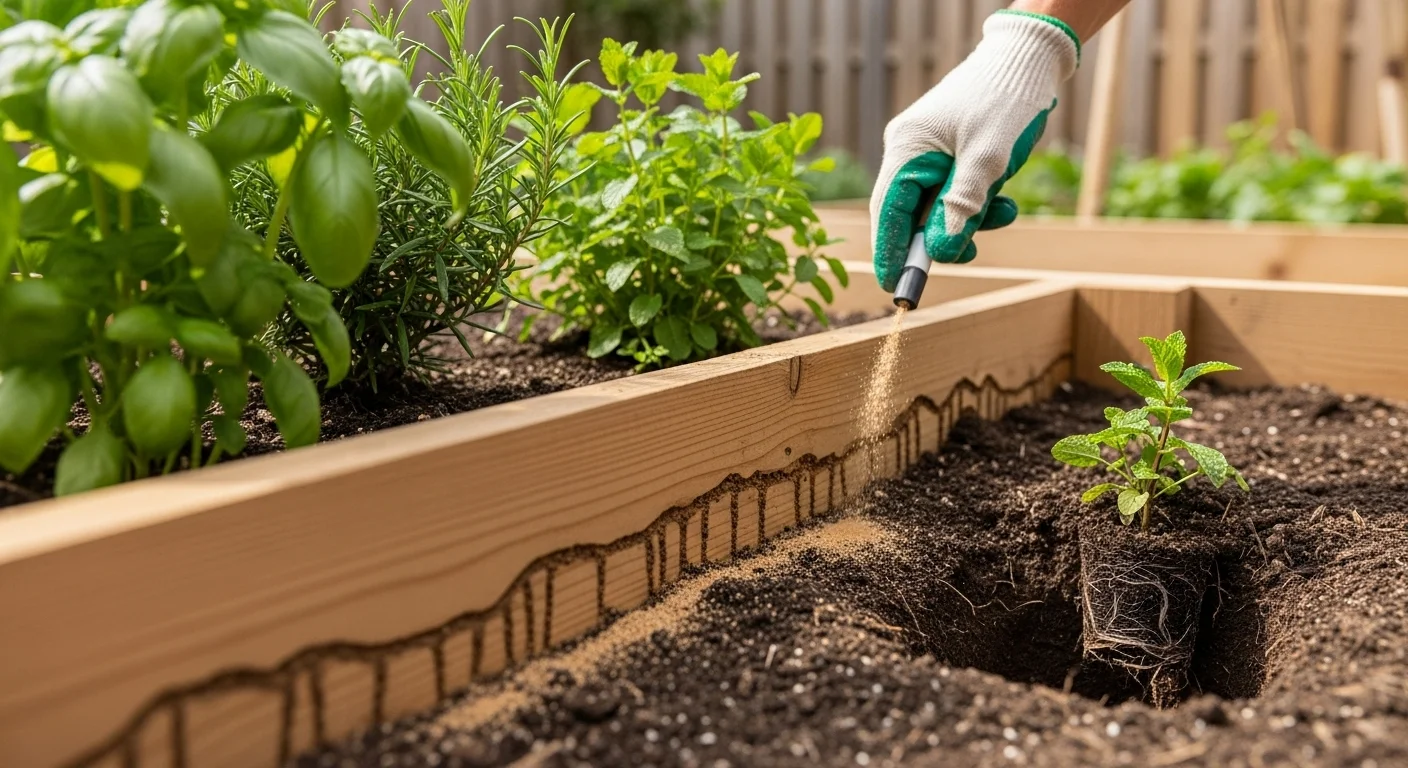
A kitchen garden is a wonderful thing. It gives you fresh vegetables, herbs, and fruits right outside your door. But there is a hidden enemy that can destroy it: termites. In Pakistan, termites are not just a problem for houses; they are a big problem for gardens too. Termites in your kitchen garden eat the roots and stems of your plants.

With over 12 years of practical experience in termite inspection, prevention, and chemical treatments, Ali Raza is a trusted expert at Termite.com.pk. He specializes in pre-construction and post-construction termite control and helps homeowners and businesses protect their properties from long-term termite damage across Pakistan.
 Add as a preferred source on Google
They can kill your tomato vines, your spinach, and your fruit trees from under the soil where you cannot see them. Controlling termites in your garden is very important. It protects your hard work, your healthy food supply, and even your home. A healthy garden needs healthy, termite-free soil.
Pakistan’s climate and soil conditions
Pakistan’s weather is perfect for termites, and that includes gardens. Our long, hot summers and the moisture from watering gardens create the ideal home for termites. They love warm, damp soil. When you water your plants every day to help them grow, you might also be making the soil perfect for termites. The clay-rich soil in many parts of Pakistan also holds moisture well, which termites need to survive. This means that in our climate, a kitchen garden is like a five-star hotel for termites if we are not careful. We must protect our gardens because the environment is already on the termites’ side.
Risk to home-grown vegetables and fruit plants
Termites attack plants from the roots up. You might see a healthy-looking spinach plant one day, and the next day it is wilted and dead. When you pull it up, you find the roots are gone, eaten away. They target soft-stemmed plants like lettuce, okra, and gourds. They also attack the roots of young fruit trees like mango, lemon, and guava. This means you lose the vegetables you were counting on for your family’s meals. You also lose the time, money, and effort you spent on seeds, fertilizer, and water. Termites turn your source of fresh food into a big disappointment.
Spread of termites from garden to house
Your kitchen garden is often very close to your house. This is a big danger. Termites in the garden soil are always looking for more food. If they run out of plant roots, they will look for wood. They can build their mud tubes from the garden soil right onto your house’s foundation. They can travel through cracks and enter your home. So, a termite problem in your garden can quickly become a termite problem in your kitchen cupboards or your roof. Controlling termites in the garden is not just about saving your plants; it is about putting a protective barrier between the termites and your home.
Common Causes of Termites in Kitchen Gardens
If you want to stop termites, you need to know what attracts them to your garden in the first place. Termites do not just appear for no reason. They come because your garden offers them everything they want: food, moisture, and shelter. By understanding the common causes, you can change how you garden to make it less welcoming to these pests. Simple changes in your habits can make a huge difference.
Moist soil and over-watering
Termites need water to live. They get this water from the soil. One of the biggest mistakes gardeners make is over-watering. When you water your plants too much, the soil stays soggy and wet for a long time. This wet soil is like a magnet for termites. It gives them the perfect damp environment to build their nests and travel through. Watering your garden every day without checking if the soil is already moist can cause this problem. Learning to water correctly is the first step in termite prevention.
Use of untreated wood and compost
Many gardeners use wood to make raised garden beds, borders, or trellises for climbing plants like beans. If this wood is untreated, it is a direct food source for termites. They will eat the wood and live inside it. Also, compost piles can attract termites if they contain a lot of woody material. Termites love to eat decaying wood and cellulose. If your compost bin is directly on the soil and has wood chips or newspaper, it can become a termite feeding ground right next to your vegetables.
Poor drainage and organic waste buildup
Poor drainage means water does not flow away after rain or watering. It creates puddles and wet patches in your garden. This standing water makes the soil underneath very wet, attracting termites. Also, organic waste buildup like piles of dead leaves, fallen branches, or old mulch provides food and hiding spots for termites. If you let this waste collect in a corner of your garden, you are basically building a termite home. Keeping your garden tidy and ensuring water drains away properly removes these two big invitations.
Safe Termite Control In Kitchen Garden – Natural Methods
For a kitchen garden, safety is the most important thing. You are growing food you will eat, so you cannot use just any strong chemical. Luckily, there are several natural methods to control termites. These methods use things from nature that termites hate but are safe for your plants, your family, and the soil. They might take a little more effort than chemicals, but they keep your garden organic and healthy.
Neem oil and organic solutions
Neem oil is a great natural weapon. It comes from the neem tree and termites cannot stand it. You can mix neem oil with water and a little soap (to help it mix) in a spray bottle. Spray this mixture on the soil around your plants and on any wooden garden structures. You need to do this every two weeks for it to work well. Other organic solutions include making a spray with crushed garlic or chili peppers mixed with water. These strong smells can repel termites. These methods are safe to use even when your vegetables are almost ready to pick.
Soil treatment with eco-friendly products
You can treat your garden soil with natural products. One good method is using diatomaceous earth. This is a white powder made from tiny fossilized sea creatures. It feels soft to us, but to small insects like termites, it is like sharp glass. It cuts their bodies and they dry out. You can sprinkle food-grade diatomaceous earth lightly on the soil surface. Another method is nematodes. These are tiny, harmless worms that you mix with water and pour on the soil. They hunt and kill termite larvae naturally. Both are safe for the garden ecosystem.
Preventive gardening practices
The best natural control is prevention. Change how you garden to stop termites from wanting to come.
- Solarize the Soil: Before planting a new bed, cover wet soil with clear plastic for 4-6 weeks during hot weather. The sun’s heat will kill termites and eggs in the top layer of soil.
- Use Sand Barriers: Termites have trouble moving through sand. Make a border of sand around your garden beds.
- Choose Resistant Plants: Some plants, like marigolds, may help repel insects. Planting them around the edge of your garden can help.
These practices make your garden a strong, natural fortress against termites.
Chemical Termite Control In Kitchen Garden (Pakistan Approved)
Sometimes, a natural method is not enough for a big termite problem. In that case, you can use chemicals, but you must be very, very careful. You must choose Pakistan-approved, low-toxicity chemicals made for use in gardens or agriculture. You must also follow the instructions exactly to keep your food safe. Using chemicals in a kitchen garden is a serious job, but it can be done safely if you know how.
Low-toxicity termite control chemicals
Look for chemicals that say they are safe for agricultural use or soil treatment. The label should mention it has low toxicity for humans and animals when used correctly. Some approved active ingredients for soil around non-edible plants include Chlorpyrifos or Fipronil at very low concentrations. However, for gardens with edible plants, you must be extra selective. Bifenthrin is sometimes used in gardens but requires great care. Always buy from a reputable pesticide shop in Pakistan and ask specifically for a garden-safe termiticide. Never use a termite chemical meant for houses on your vegetable soil.
Safe application methods around edible plants
Safety is everything. Here is how to apply chemicals safely:
- Timing: Do not apply when vegetables are flowering or almost ready to harvest. The best time is before you plant seeds or right after you remove old plants.
- Spot Treatment: Do not spray the whole garden. Only treat the specific spots where you see termite activity, like around a damaged plant or a mud tube.
- Soil Drenching: Mix the chemical with water as directed. Pour it directly into the soil around the base of an affected plant, avoiding the plant stem and leaves.
- Keep it Off Plants: The chemical should only go on the soil, not on the parts of the plant you will eat (leaves, fruits, stems).
Precautions for children, pets, and food safety
- Keep Out: Keep children and pets completely away from the garden on the day you apply the chemical.
- Protect Yourself: Wear gloves, a mask, and long sleeves.
- Wait Period: The chemical label will have a “pre-harvest interval” – a number of days you must wait after spraying before you can safely harvest and eat any vegetables from that area. This could be 7, 14, or more days. You must follow this waiting period.
- Wash Vegetables: Even after the waiting period, always wash your home-grown vegetables thoroughly with water before eating them.
Step-by-Step Guide for Termite Control In Kitchen Garden
Do not feel overwhelmed. Controlling termites in your garden is a step-by-step process. If you follow these steps carefully, you can get your garden healthy again. Whether you choose a natural or chemical method, this guide will help you do it in an organized way.
Inspection and identification
First, become a detective. Go to your garden and look carefully.
- Check the Plants: Look for plants that are wilting or dying for no clear reason. Gently tug on them. If they come out easily with no roots, termites might be the cause.
- Check the Soil: Look for small, earthy mud tubes on the soil surface, on plant stems, or on garden wood. These are termite highways.
- Check Wood and Compost: Look at your wooden garden borders, stakes, or compost pile. Tap the wood. If it sounds hollow, termites may be inside.
- Identify the Area: Use a small stick to mark the spots where you find signs. This tells you exactly where to focus your treatment.
Treatment application process
Once you know where the problem is, it’s time to act.
- Choose Your Treatment: Decide if you will use a natural method (like neem oil) or a safe chemical.
- Prepare: Mix your solution exactly as the instructions say. Put on your safety gear.
- Apply to Soil: Pour or spray your treatment solution onto the soil in the problem areas. For a soil drench, water it in so it soaks down to the roots.
- Treat Wood: If your garden wood has termites, you can brush or spray the treatment on it. For a bad infestation, it’s better to remove and burn the wooden piece.
- Let it Work: Do not water the treated area for at least 24-48 hours to let the treatment soak in and work.
Post-treatment care and monitoring
Your job is not done after application.
- Wait: Observe the treated plants. Do not harvest from them until the safe waiting period is over (if you used a chemical).
- Check Again: After one week, go back and inspect the same spots. Are the mud tubes abandoned? Is there no new damage?
- Remove Dead Material: Gently remove any dead plants and clean up the area.
- Keep Watching: For the next few months, keep an eye on those spots during your regular gardening. This monitoring tells you if your treatment was successful or if you need to try again.
Preventive Tips to Avoid Termites in Kitchen Gardens
It is much easier to stop termites from coming than to get rid of them after they arrive. Prevention is the best medicine for your garden. By adding a few simple habits to your gardening routine, you can protect your plants all year round. These tips focus on making your garden a place where termites cannot easily live.
Proper watering techniques
Water deeply but less often. Instead of watering a little every day, give your garden a good, deep soak 2 or 3 times a week. This encourages plant roots to grow deep, and it allows the top layer of soil to dry out between waterings. Termites do not like dry soil. Always water in the morning so the sun can dry the surface during the day. Also, use a watering can or a drip irrigation hose at the base of plants instead of a sprinkler that wets everything. This keeps the general soil surface drier.
Using termite-resistant materials
Be smart about what you put in your garden. For raised beds or borders, use materials termites cannot eat, like bricks, stones, or concrete blocks. If you must use wood, only use pressure-treated wood that is labeled for ground contact. For garden stakes and trellises, use bamboo (which termites dislike) or metal rods. Avoid using old, untreated railway sleepers or packing crates in your garden, as they are often full of termites.
Regular soil and plant inspection
Make inspection a regular part of your gardening. Once every two weeks, take 5 minutes to walk around your garden. Look at the base of your plants. Check under mulch. Look at any wood you have. Catching termite activity early is the key to easy control. If you see a single mud tube early, you can crush it and treat the spot with neem oil immediately. This stops a small problem from becoming a big infestation. Regular checking gives you peace of mind.
Professional Termite Control In Kitchen Garden in Pakistan
Sometimes, the problem is too big to handle yourself. The termites might have infected a large area or even gotten into trees. In these cases, it is wise to call for help. Professional pest control companies in Pakistan have the experience and tools to handle serious garden infestations safely and effectively.
When to hire professional services
You should call a professional if:
- You see termite mud tubes on many plants or all over your garden.
- Your natural or DIY chemical treatments have failed more than once.
- Termites have attacked the roots of a large, valuable tree in your garden.
- You are worried the termites are coming from a neighbor’s property and need a stronger barrier.
- You simply do not have the time or confidence to do it yourself and want it done right the first time.
Cost of professional termite control
The cost for a professional to treat a kitchen garden is usually less than treating a whole house. It depends on the size of your garden. For a small to medium-sized kitchen garden (up to 200 square feet), you might pay between Rs 5,000 to Rs 15,000. The price includes their inspection, a garden-safe treatment plan, and the application. They might also offer a short-term guarantee for their work. Always get a clear quote before they start.
Benefits of expert treatment
Hiring an expert gives you several benefits:
- Correct Diagnosis: They know exactly what type of termite you have and the best way to kill it.
- Stronger, Safer Chemicals: They have access to professional-grade products that are more effective but applied with safety knowledge.
- Proper Equipment: They use sprayers and injectors that apply treatment more effectively than a homemade spray bottle.
- Peace of Mind: You can be confident the job is done thoroughly, protecting both your garden and your home.
Frequently Asked Questions (FAQs)
Is termite control safe for vegetables?
Yes, if you do it correctly. Natural methods like neem oil are completely safe for vegetables. For chemical methods, you must choose a product labeled as safe for use in vegetable gardens and follow the “pre-harvest interval” on the label. This is the number of days you must wait between spraying and picking your vegetables. If you follow this rule and wash your vegetables well, they will be safe to eat.
How often should termite treatment be done?
It depends on the method. Natural treatments like neem oil spray should be repeated every 2-3 weeks during the growing season for ongoing prevention. Chemical soil barriers can last for one full growing season (about 6 months to a year). For prevention, a good practice is to do a full garden inspection and light natural treatment at the start of each main planting season (Spring and Fall).
Can termites spread from garden to home?
Yes, absolutely. This is a major reason to control them in the garden. Termites in your garden are already right next to your house. They can easily build their mud tubes from the soil onto your home’s foundation, walls, or wooden door frames. A garden infestation is often the first step to a house infestation. Controlling termites in your garden protects your home as well as your plants.
Final Conclusion
Summary of Termite Control In Kitchen Garden
Termites are a real threat to kitchen gardens in Pakistan due to our climate. They attack plant roots, destroy your harvest, and can spread to your home. You can fight them with safe natural methods like neem oil and good gardening practices, or with carefully chosen, low-toxicity chemicals. The key steps are inspection, correct treatment, and ongoing prevention.
Best practices for Pakistani households
- Water Wisely: Avoid over-watering to keep soil less attractive to termites.
- Inspect Regularly: Check your garden soil and plants every two weeks for early signs.
- Use Resistant Materials: Build garden beds and structures with brick, stone, or treated wood.
- Try Natural First: Use neem oil or diatomaceous earth as a first line of defense.
- Call a Pro for Big Problems: Do not let a large infestation destroy your garden; get professional help.
Final expert recommendation
Do not ignore termites in your kitchen garden. They will not go away on their own; they will only get worse. Start with prevention through smart gardening. At the first sign of trouble, use a natural treatment. If the problem seems serious, do not hesitate to use a garden-safe chemical correctly or call a professional. Protecting your kitchen garden means protecting your source of fresh, healthy food and creating a safe zone around your home. A little care goes a long way in keeping your garden green, productive, and termite-free.
9. Conclusion – Be a Termite Fighter!
Key Takeaways:
✔ Spot early signs (mud tubes, hollow wood, wings)
✔ Small problem? Try DIY sprays or baits
✔ Big problem? Call the pros – it’s worth it!
✔ Prevent forever with dry homes and yearly checks
Your Next Steps:
- Do a 5-minute inspection today (check corners, tap wood).
- Share this guide with family – termites are everyone’s enemy!
- Book a free inspection if unsure (many companies offer this).
Contact & Connect With Hazir Pakistan
Hazir Pakistan provides reliable termite inspection, prevention, and treatment services across major cities of Pakistan. Contact our expert team or connect with us online for professional pest control solutions.
Hazir Pakistan
We specialize in professional termite control services for homes, offices, and commercial properties. Our trained staff uses approved chemicals and proven methods to ensure long-lasting protection.
Professional Termite Control Services in Pakistan
Protecting your property from termite damage is essential, whether you are building a home or managing a commercial project in Islamabad, Rawalpindi, Lahore, Karachi, or Faisalabad.
Hazir Pakistan offers professional termite control services including pre-construction soil treatment, post-construction termite eradication, and chemical barrier solutions. Their skilled team uses high-quality termite control chemicals to ensure long-lasting protection.
Choose Hazir Pakistan for reliable inspections, customized termite treatment plans, and expert support to keep your property safe. Their services in Islamabad, Rawalpindi, Lahore, Karachi, and Faisalabad make them a trusted choice for professional termite control in Pakistan.
Must Read Article:
- Deemak Control Treatment – Termite Control
- Punjab Deemak Control – Termite Control
- Deemak Control Medicine – Termite Control
- Termite Control In Pakistan
- Deemak Control Services Rawalpindi – Termite Control
- How To Control Deemak – Termite Control
- Termite Control near me
- Biflex Termite Control Pakistan
- Termite Control Services Pakistan
- Termite Proofing In Rawalpindi
- Deemak Control Spray Pakistan
- Garden Termite Control – Termite Control
- Termite Control Vs Termite Proofing
- Termite Control Services in Faisalabad
- Termite Control Companies In Lahore
- Termite Control Services in Sialkot
- Termite Control Services in Quetta
- Pest Control Termite Treatment In Multan
- Best Termite Proofing In F-8 Markaz Islamabad