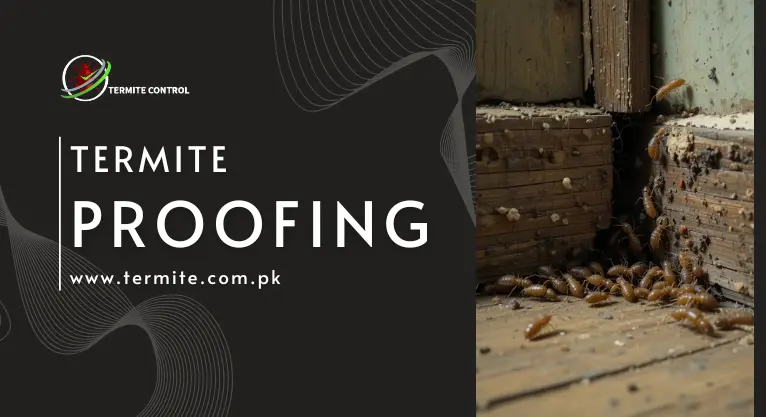
Termites are one of the most destructive pests in Pakistan. They work silently, eating through wooden structures 24/7. By the time you notice damage, thousands of rupees worth of structural integrity may already be compromised.
With over 12 years of practical experience in termite inspection, prevention, and chemical treatments, Ali Raza is a trusted expert at Termite.com.pk. He specializes in pre-construction and post-construction termite control and helps homeowners and businesses protect their properties from long-term termite damage across Pakistan.
 Add as a preferred source on Google
The difference between ignoring termites and taking action is often the difference between a minor repair and a major reconstruction. This article covers 10 proven termite proofing methods that actually work in Pakistan’s climate.
Why Termite Proofing Matters in Pakistan
Pakistan’s Perfect Storm for Termites
Pakistan’s warm, humid climate creates ideal conditions for termite colonies:
- High humidity: Coastal cities (Karachi, Chitral) have moisture levels termites love
- Monsoon rains: June-September brings heavy rainfall that increases soil moisture
- Year-round warmth: Temperature rarely drops below what termites can survive
- Traditional construction: Many older homes use vulnerable wooden structures
According to research in Pakistan, termite damage costs homeowners an estimated PKR 5-10 billion annually. Most damage occurs because property owners don’t implement proper proofing measures.
Long-Term Cost Savings
Implementing termite proofing costs PKR 15,000-50,000 for an average home. Repairs from termite damage cost PKR 200,000-1,000,000+. The choice is clear.
Method 1: Physical Barriers – The Foundation Defense
What Are Physical Barriers?
Physical termite barriers are materials that prevent termites from entering your home. Unlike chemicals that kill termites, barriers block their path entirely.
Types of Physical Barriers
Stainless Steel Mesh
- Installed during construction under foundation
- Termites cannot bore through it
- Cost: PKR 2,000-8,000 per square meter
- Effectiveness: 95%+ when properly installed
- Lasts: 50+ years
Concrete Barriers
- Created by proper concrete foundation design
- Must have no cracks or gaps
- Regular inspections essential
- Cost: Included in construction
- Effectiveness: 80% (if maintained properly)
Sand Barriers
- Fine-grain sand placed in soil around foundation
- Termites cannot navigate through it
- Requires 15-20cm depth
- Cost: PKR 500-2,000
- Effectiveness: 70% (requires maintenance)
Installation Best Practices
During Construction (Recommended)
- Install metal barriers before concrete foundation
- Ensure complete coverage with no gaps
- Include perimeter and under all wooden supports
- Test for continuity before final inspection
For Existing Homes
- Inject into soil around foundation
- Requires excavation (costly but effective)
- Minimum 30cm depth recommended
- Minimum 30-50cm width around home perimeter
Why This Matters in Pakistan
Karachi’s high water table means water seepage is common. Physical barriers work even when water is present, making them ideal for your area.
Method 2: Chemical Barriers – Modern Protection
Understanding Chemical Barriers
Chemical barriers are treated soil around your home’s foundation that kills or repels termites. They’re different from pesticide sprays—they work as a protective layer.
How Chemical Barriers Work
Termite Approach
- Termites attempt to cross treated soil zone
- They ingest or absorb the chemical
- Chemical disrupts their nervous system
- Termite dies before reaching home
Non-Repellent vs. Repellent
| Type | How It Works | Effectiveness | Duration |
|---|---|---|---|
| Non-repellent | Kills termites slowly; colony doesn’t know danger | 95% | 5-10 years |
| Repellent | Termites avoid area | 85% | 3-5 years |
Approved Chemicals in Pakistan
Hazir Pakistan uses EPA-approved and Pakistan-compliant chemicals:
- Fipronil-based treatments
- Imidacloprid formulations
- Chlorpyrifos (where approved)
- All applied per Pakistan Insecticides Rules, 1971
Installation Process
Pre-Construction Application
- Applied to soil before foundation pour
- Approximately 1-2 hours for average home
- Cost: PKR 20,000-40,000
Post-Construction Application
- Trenching around foundation (30cm deep)
- Chemical injection into soil
- Re-filling and compacting
- Cost: PKR 30,000-60,000
- Time: 2-3 days
Effectiveness Timeline
Immediately after application
- Protection begins within 24 hours
- Full effectiveness in 7 days
- Invisible barrier established
Over time
- Protection remains strong for 5-10 years
- Gradual degradation after that
- Inspection recommended annually
Method 3: Moisture Control – Eliminating Termite Habitat
Why Moisture Matters
Termites need moisture to survive. They cannot digest cellulose in dry wood. By controlling moisture, you create a hostile environment for termites.
Critical fact: 90% of termite problems in Pakistan are linked to moisture issues.
Moisture Control Strategies
Basement and Foundation Waterproofing
This is where Hazir Pakistan’s expertise shines. Waterproofing prevents water intrusion that attracts termites.
- Internal sealing: Waterproof coatings on basement walls (PKR 25,000-60,000)
- External waterproofing: Complete foundation sealing (PKR 40,000-100,000)
- Drainage systems: French drains around foundation (PKR 15,000-40,000)
Hazir Pakistan specializes in basement leakage repair and waterproofing. See our <a href=”https://hazirpakistan.com/”>Google Business profile</a> for customer reviews.
Roof Leakage Prevention
Water leaks from roof create damp conditions inside walls where termites thrive.
- Inspect and repair roof leaks immediately
- Repoint mortar and sealant annually
- Install proper gutters with downspouts
- Extend downspouts 2 meters from foundation
Gutter Maintenance
- Clean gutters quarterly
- Ensure water flows away from house
- Install gutter extensions
- Check for standing water near foundation
Grading Around Home
- Soil should slope away from foundation
- Minimum 2% slope (2cm per meter)
- Keep soil 30cm away from wooden siding
- Prevents water pooling near walls
Ventilation
- Ensure crawl spaces have proper ventilation
- Install ventilation fans in bathrooms
- Dehumidifiers in damp basements
- Circulating air reduces moisture
Cost-Benefit Analysis
| Measure | Cost | Benefit |
|---|---|---|
| Roof leak repair | PKR 10,000-50,000 | Prevents major water damage + termites |
| Basement waterproofing | PKR 40,000-100,000 | Eliminates primary termite entry point |
| Gutter cleaning/repair | PKR 3,000-10,000 | Prevents foundation moisture |
| Proper grading | PKR 5,000-20,000 | Long-term foundation protection |
Method 4: Wood Selection and Treatment
Choosing Resistant Materials
Not all wood is equally attractive to termites. Some species naturally resist termite attack.
Termite-Resistant Woods
- Teak: Highly resistant, very expensive
- Sal (Shisham): Moderately resistant, expensive
- Deodar Cedar: Resistant due to natural oils
- Rosewood: Resistant, rarely used in construction
Most Vulnerable Woods
- Soft pine (commonly used in Pakistan)
- Rubber wood
- Pulp wood
- MDF (extremely vulnerable)
Pressure-Treated Wood
What It Is
Wood injected with preservatives under pressure. Chemicals penetrate deep into wood fibers.
Effectiveness
- 95%+ resistance to termites
- Lasts 25-40 years
- Cost: 20-30% more than untreated
Where to Use
- Foundation supports and posts
- Wooden pillars
- Wooden beams in damp areas
- Outdoor structures near home
- Door and window frames
Availability in Pakistan
- Available from major construction suppliers
- Brands: Coppergreen, Osmose, Tanalith (where available)
- Cost: PKR 500-1,500 per board-foot (higher than untreated)
Alternative: Treated vs. Composite Materials
Why Consider Alternatives
Many Pakistani homeowners are shifting to composite or non-wood materials:
- Concrete: Cannot be eaten, lasts longer
- Steel: Completely termite-proof
- Composite decking: Termite-resistant alternatives
- Plastic lumber: No cellulose for termites
Application Tips
During Construction
- Specify treated wood for all vulnerable areas
- Request certification of treatment
- Inspect for proper marking
For Existing Homes
- Replace damaged wood with treated versions
- Treat exposed wooden beams
- Protect wooden door/window frames
Method 5: Structural Design – Building Termite-Proof Homes
Understanding Vulnerable Designs
Some home designs are inherently more vulnerable to termites.
High-Risk Design Features
- Wood-to-soil contact (most common problem)
- Crawl spaces with poor ventilation
- Basement areas with dampness
- Complex wooden architectural elements
- Poor drainage around foundation
Low-Risk Designs
- Raised foundations (minimum 30cm above ground)
- Concrete slabs-on-grade (properly sloped)
- Open crawl spaces with good ventilation
- Minimal wooden elements
- Strong drainage systems
Design Principles for Termite Prevention
Elevation
- Raise wooden structures at least 30cm above soil
- Inspect underneath easily
- Air circulation underneath
Access
- Design allows visual inspection for termites
- No hidden spaces between foundation and soil
- Clear access for pest control treatments
Drainage
- Slopes away from home on all sides
- Perimeter drains if in high-water-table area
- Proper downspout extensions
Cost Implications
New Construction
- Termite-proof design adds minimal cost (2-5%)
- Most expense is proper drainage system
- Investment pays dividends over home’s life
Renovation
- Raising existing wooden structures: PKR 50,000-200,000+
- Major cost and disruption
- Better to prevent with design from start
Method 6: Soil Treatment Around Foundation
Perimeter Soil Treatment
This is the most common termite proofing method in Pakistan.
What Is It?
Treating the soil immediately surrounding your home’s foundation with termiticide.
How It Works
- Technician digs trench around home foundation
- Trench is 30cm deep, 30-50cm wide
- Chemical solution applied to soil
- Trench is refilled and compacted
Timeline and Process
Day 1-2: Preparation
- Mark treatment area
- Identify obstacles (utilities, trees, etc.)
- Move items away from foundation
- Safety briefing provided
Day 3-4: Treatment
- Excavation of soil
- Chemical application (typically 2-4 liters per meter of perimeter)
- Allow chemical to soak into soil
- Refill and compact
Day 5+: Inspection
- Verify complete treatment
- Check for any missed spots
- Document treatment with photos
- Provide treatment certificate
Coverage Requirements
Your Home Size
- Foundation perimeter = Total length to treat
- Measure all sides for accurate estimate
Example Calculations
| Home Size | Perimeter | Chemical Needed | Approximate Cost |
|---|---|---|---|
| 1000 sq ft | 130 meters | 260-520 liters | PKR 25,000-40,000 |
| 2000 sq ft | 180 meters | 360-720 liters | PKR 35,000-55,000 |
| 5000 sq ft | 280 meters | 560-1,120 liters | PKR 50,000-80,000 |
Costs vary by:
- Chemical type and brand
- Soil conditions and accessibility
- Labor rates in your area
- Additional treatments needed
Effectiveness
Immediately After Treatment
- 95%+ effective against termite entry
- Creates 10+ year protection barrier
Long-Term
- Effectiveness decreases after 5-7 years
- Soil degradation and water penetration
- Follow-up treatments recommended after 5 years
Method 7: Interior Treatment – Secondary Defense
When Interior Treatment is Needed
Interior treatment should NOT be your primary defense but works as secondary protection:
- Existing termite activity detected inside
- Areas not covered by exterior treatment
- High-risk interior locations
- Structural treatment of wooden elements
Interior Treatment Methods
Bait Stations
- Installed inside home at termite activity sites
- Active ingredients slowly eliminate colony
- Termites carry poison back to colony
- Cost: PKR 1,000-3,000 per station
- Timeline: 4-8 weeks for full effect
Liquid Barriers Inside Walls
- Injection into wall cavities
- Creates barrier between termites and wood
- Requires professional application
- Cost: PKR 5,000-15,000 per wall section
Dust Applications
- Insecticidal dust in wall voids
- Applied through small holes
- Kills termites on contact
- Cost: PKR 3,000-8,000 per application
Foam Treatments
- Expandable foam with termiticide
- Fills cracks and voids
- Prevents termite passage
- Cost: PKR 2,000-6,000 per area
Safety Considerations
Important: Interior treatments require safety precautions.
- Professional application only (never DIY)
- Family and pets evacuated during treatment
- Ventilation requirements vary by chemical
- Follow all safety instructions post-treatment
Method 8: Regular Inspections – Early Detection
Why Inspections Matter
Regular inspections catch termite problems before major damage occurs.
Early Detection = Major Savings
- Annual inspection cost: PKR 2,000-5,000
- Termite damage repair: PKR 200,000+
- Prevention is 99% cheaper than cure
What Inspectors Look For
Visual Signs
- Mud tubes on foundation or walls
- Wood damage or hollow-sounding wood
- Discarded termite wings
- Termite droppings (frass)
- Carpenter ant activity (often mistaken for termites)
Structural Areas
- Basement and crawl spaces
- Under bathroom and kitchen sinks
- Around pipe penetrations
- Windows and door frames
- Wooden deck connections
Environmental Conditions
- Moisture levels and dampness
- Water pooling near foundation
- Improper grading
- Gutters and downspout function
- Vegetation touching house
Inspection Frequency
Minimum Schedule
| Risk Level | Inspection Frequency | Reason |
|---|---|---|
| Low | Annually | Standard preventive care |
| Medium | Every 6 months | Some risk factors present |
| High | Quarterly | Previous infestation or high-risk area |
| After treatment | Monthly for 3 months | Verify effectiveness |
High-Risk Situations Requiring More Frequent Inspections
- Previous termite infestation in home
- Homes in termite-prone areas
- Older homes with historical termite problems
- New construction (first 2 years)
- After flood or significant water damage
Professional vs. DIY Inspections
Professional Inspection Advantages
- Trained eye catches subtle signs
- Access to specialized equipment (moisture meters, borescopes)
- Detailed written report
- Cost: PKR 3,000-8,000
DIY Inspection Benefits
- Free/low-cost
- Catch obvious signs
- Early warning of problems
- Requires basic knowledge (see our <a href=”#section-1″>sign identification section</a>)
Recommendation: Have annual professional inspection + quarterly DIY checks.
Method 9: Vegetation Management – Eliminating Pathways
How Plants Provide Termite Highway
Termites use vegetation as bridges and protection to reach your home.
Direct Contact Problems
- Tree branches touching roof = direct access
- Ivy climbing walls = protected pathway
- Dense mulch against foundation = habitat
- Fallen wood/logs = food source and shelter
Vegetation Management Strategy
Tree Management
Distance from Home
- Keep trees 3+ meters from house
- Branches should not touch roof or walls
- Trim branches overhanging house monthly
Tree Selection
- Avoid weak-wooded species that attract pests
- Choose hardwoods: neem, eucalyptus, sheesham
- Avoid soft woods: rubber wood, pine
Tree Inspection
- Check for termite damage in trees
- Look for signs of infestation
- Remove infested trees or branches
Mulch Management
What NOT to Do
- Never pile mulch against house walls
- Avoid organic mulch (wood chips, bark) near foundation
- Don’t create moisture trap against siding
Proper Mulching
- Keep minimum 30cm distance from walls
- Use inorganic mulch (gravel, stone) near foundation
- Replace organic mulch frequently (monthly)
- No piled mulch above soil line
Landscape Maintenance
Monthly Tasks
- Remove fallen branches and wood
- Clear dead vegetation
- Trim ivy and climbing plants
- Clear debris from gutters
Yearly Tasks
- Prune trees away from house
- Reseal any soil gaps near foundation
- Check grading around home
- Inspect mulch barriers
Method 10: Post-Construction Inspection and Certification
What is Post-Construction Inspection?
Before moving into a new home, professional inspection verifies termite proofing measures were properly installed.
What Gets Inspected
Foundation Areas
- Physical barriers properly placed
- No cracks or gaps in concrete
- Termite proofing chemicals applied correctly
- Proper sealing of wall-foundation junction
Structural Elements
- Treated wood properly identified
- No wood-to-soil contact
- Proper grading around foundation
- Adequate crawl space ventilation
Drainage Systems
- Gutters properly installed and sloped
- Downspouts extend 2+ meters from foundation
- Grading slopes away from house
- No pooling water near foundation
Safety and Compliance
- All treatment certificates present
- Chemical application documented
- Proper warning labels posted (if applicable)
- Compliance with Pakistan building codes
Cost and Timeline
Inspection Cost
- Professional post-construction inspection: PKR 5,000-10,000
- Typically included with builder/developer in new projects
- Worth separately arranging if not included
When to Inspect
- Before occupancy (most important)
- Before final payment to builder
- Within 48 hours of completion
- While construction company still on-site for corrections
Certification Value
Why Get Certification?
- Proof termite proofing was done correctly
- Important for future home sales
- Required by many banks and insurance
- Peace of mind for major investment
What Certificate Includes
- Inspection date and technician name
- List of all proofing measures implemented
- Photos of installation
- Compliance statements
- Warranty information
Seasonal Termite Proofing in Pakistan
Spring (March-May) – Swarming Season
What Happens
- Termite swarmers (winged adults) leave existing colonies
- Establish new colonies nearby
- Most visible termite activity of the year
Your Action Items
- Inspect for swarmers
- Seal cracks and openings where swarmers might enter
- Check all proofing measures
- Plan any needed repairs before summer
Best Time For
- Exterior treatment and barrier installation
- Vegetation management
- Structural repairs
- New home inspection/treatment
Summer (June-August) – Growth Season
What Happens
- Monsoon rains increase soil moisture
- Termite populations expand rapidly
- Colonies grow 10x in size during this season
- Water damage creates ideal termite conditions
Your Action Items
- Ensure all waterproofing is functioning
- Clear gutters after storms
- Check for water pooling
- Monitor basement moisture levels
Challenges
- Heavy rain makes excavation difficult
- Chemicals wash away
- Treatment timing critical (between rains)
- Water saturation reduces chemical effectiveness
Autumn (September-November) – Secondary Activity
What Happens
- Fall swarming season (secondary)
- Post-monsoon assessment needed
- Colonies preparing for cooler months
- Water damage evident from monsoon
Your Action Items
- Assess water damage from monsoon
- Repair roof and foundation leaks
- Check drainage systems
- Schedule waterproofing if needed
Winter (December-February) – Low Activity
What Happens
- Termite activity slows (but doesn’t stop)
- Temperature drops (not cold enough to kill them)
- Colonies consolidate
- Indoor heating increases, attracting termites
Your Action Items
- Plan spring proofing projects
- Complete structural repairs
- Implement vegetation management
- Schedule inspections
Best Time For
- Interior renovations
- Structural repairs
- Foundation work
- Deep cleaning
Regional Considerations for Pakistan
Karachi (Coastal/Humid)
Specific Challenges
- Extremely high humidity (60-80%)
- Salt air accelerates material degradation
- High water table in some areas
- Intense heat favors termite reproduction
Recommended Focus
- Extra emphasis on waterproofing (critical)
- Chemical barriers every 5-7 years instead of 10
- Regular moisture monitoring
- Ventilation systems essential
Cost Adjustment
- Expect 20-30% higher costs due to environmental factors
- Waterproofing is more critical, justify higher investment
Lahore (Moderate Climate)
Specific Challenges
- Monsoon impacts significant
- Temperature swings during seasons
- Flooding possible in some areas
- Moderate termite risk (not as high as Karachi)
Recommended Focus
- Balanced approach to all methods
- Post-monsoon inspections critical
- Drainage system emphasis
- Standard chemical treatment sufficient
Islamabad (Higher Elevation)
Specific Challenges
- Lower humidity benefits you
- Winter temperatures lower (slower termite activity)
- Different seasonal patterns
- Earthquake considerations
Recommended Focus
- Prevention simpler than coastal areas
- Less frequent chemical reapplication
- Annual inspection likely sufficient
- Consider earthquake-resistant design features
Rural Areas
Specific Challenges
- Limited professional services
- Higher DIY requirement
- Agricultural termites more common
- Extended implementation timeline
Recommended Approach
- Plan proofing during new construction
- Use local materials and methods
- Build relationships with regional pest control services
- Prioritize physical barriers over chemicals
Cost Comparison of Termite Proofing Methods
One-Time Installation Costs
| Method | Initial Cost | Duration | Re-treatment Cost | Total 10-Year Cost |
|---|---|---|---|---|
| Physical barriers | PKR 30,000-80,000 | Lifetime | None | PKR 30,000-80,000 |
| Chemical barriers | PKR 25,000-50,000 | 5-10 years | PKR 20,000-40,000 | PKR 45,000-90,000 |
| Moisture control | PKR 20,000-100,000 | 10+ years | Maintenance | PKR 25,000-150,000 |
| Treated wood | PKR 10,000-30,000 | 25+ years | None | PKR 10,000-30,000 |
| Annual inspections | PKR 3,000-5,000/year | Annual | Repeat | PKR 30,000-50,000 |
| Combined approach | PKR 100,000-300,000 | Varies | PKR 20,000-40,000 | PKR 120,000-380,000 |
Best Value Approach for Average Pakistani Home
Recommended Combination
- Moisture control (waterproofing): PKR 40,000-80,000 (primary)
- Chemical barrier: PKR 25,000-40,000 (secondary)
- Annual inspection: PKR 3,000-5,000/year (ongoing)
- Total initial: PKR 65,000-125,000
- Annual maintenance: PKR 3,000-5,000
This approach:
- Addresses the root cause (moisture)
- Creates active protection (chemical)
- Catches problems early (inspection)
- Provides excellent protection for reasonable cost
Common Mistakes to Avoid
Mistake 1: Ignoring Moisture Issues
The Error
Installing chemical barriers without fixing water leaks.
Why It Fails
- Water washes away chemical barriers
- Moisture attracts termites anyway
- Expense wasted on ineffective treatment
The Fix
- Always address waterproofing first
- Fix roof leaks, gutter issues, drainage problems
- Then apply termite proofing
Mistake 2: DIY Pest Control Sprays
The Error
Using store-bought spray insecticides for termite control.
Why It Fails
- Only kills visible termites
- Misses 99% of colony
- Drives colony deeper into structure
- Creates false sense of security
The Fix
- Professional application only
- Understand limitations of DIY approach
- Use professional-grade products
Mistake 3: One-Time Treatment Forever
The Error
Treating for termites once, then assuming lifetime protection.
Why It Fails
- Chemical barriers degrade over time
- Wood treatment protection weakens
- New termite colonies can establish
- Re-infestation likely without maintenance
The Fix
- Schedule re-treatment every 5-7 years
- Annual inspections catch problems early
- Maintain moisture control continuously
Mistake 4: Focusing Only on Visible Signs
The Error
Only treating areas where termites are visible.
Why It Fails
- Termites cause extensive hidden damage
- By the time you see signs, major damage done
- Untreated areas become next infestation sites
The Fix
- Treat entire foundation perimeter
- Implement preventive measures
- Don’t wait for visible infestation
Mistake 5: Choosing Cheapest Service Provider
The Error
Hiring lowest-cost pest control service.
Why It Fails
- Low price often means poor quality
- Incomplete treatment
- Unauthorized chemicals
- Lack of proper equipment
The Fix
- Check credentials and certifications
- Verify insurance and licensing
- Read customer reviews
- Get written treatment plan and guarantee
When to Call a Professional vs. DIY
DIY Appropriate Tasks
Safe for Homeowner
✓ Vegetation management (trimming branches)
✓ Gutter cleaning and maintenance
✓ Grading adjustment
✓ Inspection and monitoring
✓ Documentation of conditions
✓ Initial identification of termite signs
Estimated Cost: PKR 500-3,000
Professional Required
✗ Chemical application and barriers
✗ Soil treatment and injection
✗ Structural modifications
✗ Basement waterproofing
✗ Interior treatment and fumigation
✗ Post-construction inspection
These require:
- Licensed pest control technicians
- Proper safety equipment
- Insurance coverage
- Regulatory compliance
Hazir Pakistan’s Waterproofing Services
Why Waterproofing = Termite Prevention
Hazir Pakistan specializes in waterproofing treatments that directly address Pakistan’s #1 termite problem: moisture.
Our Services Include:
Basement Leakage Repair
- Internal waterproof coatings
- External foundation sealing
- Crack injection and repair
- Comprehensive moisture barrier installation
- Integrated termite proofing recommendations
Roof Leakage Treatment
- Leak detection and repair
- Waterproof coating application
- Gutter system optimization
- Water diversion management
- Prevents water from creating termite habitat
Waterproofing Treatment
- Complete home moisture audit
- Targeted waterproofing solutions
- Customized to Pakistan’s climate
- Works in conjunction with termite proofing
Why This Matters
Water + Termites = Accelerated Destruction
Hazir Pakistan eliminates the water component of this equation, making your termite proofing far more effective.
Customer Result Example
After Hazir Pakistan’s waterproofing treatment + termite proofing, one Karachi customer avoided PKR 500,000+ in structural repairs.
How to Connect
- Visit our <a href=”https://hazirpakistan.com/”>Google Business profile</a>
- Check customer reviews and photos
- Request free moisture assessment
- Get integrated waterproofing + termite proofing quote
Your Termite Proofing Action Plan
Week 1: Assessment
- Schedule professional inspection (PKR 3,000-5,000)
- Identify moisture issues in your home
- Document existing damage or termite signs
- Photograph problem areas
Week 2-3: Planning
- Get quotes from 2-3 service providers
- Understand your home’s specific needs
- Determine priority (waterproofing vs. barriers vs. treatment)
- Budget accordingly
Month 1: Primary Treatment
- Schedule waterproofing if moisture is issue (Hazir Pakistan)
- Arrange foundation chemical treatment or barriers
- Begin vegetation management
- Fix roof leaks and gutter problems
Month 2-3: Secondary Measures
- Treat interior vulnerable areas
- Install bait stations if activity detected
- Complete wood treatment or replacement
- Finalize grading and drainage
Ongoing: Maintenance
- Monthly DIY inspection
- Quarterly gutter cleaning
- Annual professional inspection
- 5-year re-treatment schedule
FAQ – Termite Proofing in Pakistan
Q: When is the best time to implement termite proofing?
A: During new construction (best) – Proofing is most effective and cost-efficient during building. Second best: Before you have termite damage. Expensive but necessary: After detecting termites.
Q: How much does complete termite proofing cost?
A: PKR 65,000-150,000 for comprehensive approach (waterproofing + chemical barriers + inspections over first year). Varies by home size and existing conditions.
Q: Can I do termite proofing myself?
A: Some elements (vegetation, gutter cleaning, monitoring). Chemical and structural work requires professionals. Mixing DIY and professional services is smart approach.
Q: How long does termite proofing last?
A: Physical barriers last 50+ years. Chemical barriers last 5-10 years. Treated wood lasts 25-40 years. Moisture control requires ongoing maintenance. Layering methods extends overall protection.
Q: What if I already have termites?
A: Address treatment first (kill existing colony), then implement proofing to prevent return. Treatment alone leaves you vulnerable to reinfestation.
Q: Is waterproofing essential for termite proofing?
A: Not technically essential, but highly recommended. Since moisture attracts termites and washes away chemical barriers, waterproofing makes other proofing methods much more effective.
Q: Can I use just physical barriers and skip chemicals?
A: Yes, if properly installed and maintained. However, many experts recommend combining physical + chemical for redundancy. Two methods are always better than one.
Q: How often should I get inspected?
A: Minimum annually. More frequently (every 3-6 months) if previous infestation or high-risk area. Quarterly during first year after treatment.
Q: Is termite damage covered by homeowner insurance?
A: Usually NOT covered. Most insurance excludes termite damage. This is why prevention is critical—you pay for all repairs.
Q: Do I need to evacuate during termite treatment?
A: Depends on treatment type. Interior treatments often require evacuation for 24-48 hours. Exterior treatments usually allow you to stay home. Professional will advise.
Conclusion: Your Home is Worth Protecting
Termite damage in Pakistan costs homeowners hundreds of millions of rupees annually. Much of this damage is preventable.
The 10 methods in this guide—physical barriers, chemical treatments, moisture control, proper materials, structural design, soil treatment, interior protection, regular inspections, vegetation management, and post-construction certification—work together to create a comprehensive defense.
Your best strategy:
- Address moisture first (often through waterproofing, Hazir Pakistan’s specialty)
- Install appropriate barriers (physical, chemical, or both)
- Maintain consistently (regular inspections, re-treatment)
- Stay vigilant (annual professional check-ups)
The investment in proper termite proofing—typically PKR 100,000-200,000 initially plus modest annual maintenance—is a fraction of repair costs. It’s one of the smartest investments you can make in your home.
Don’t let termites become an expensive problem. Start your termite proofing today.
Termite Control Services Available in Major Cities of Pakistan
We offer professional termite inspection, treatment, and prevention services in Pakistan’s major cities. Click your city below to learn more about our local termite control solutions.
Popular Termite Control Services & Guides
Explore our most searched termite control services, local guides, and expert solutions trusted by homeowners and businesses across Pakistan.
Contact & Connect With Hazir Pakistan
Hazir Pakistan provides reliable termite inspection, prevention, and treatment services across major cities of Pakistan. Contact our expert team or connect with us online for professional pest control solutions.
Hazir Pakistan
We specialize in professional termite control services for homes, offices, and commercial properties. Our trained staff uses approved chemicals and proven methods to ensure long-lasting protection.
Professional Termite Control Services in Pakistan
Protecting your property from termite damage is essential, whether you are building a home or managing a commercial project in Islamabad, Rawalpindi, Lahore, Karachi, or Faisalabad.
Hazir Pakistan offers professional termite control services including pre-construction soil treatment, post-construction termite eradication, and chemical barrier solutions. Their skilled team uses high-quality termite control chemicals to ensure long-lasting protection.
Choose Hazir Pakistan for reliable inspections, customized termite treatment plans, and expert support to keep your property safe. Their services in Islamabad, Rawalpindi, Lahore, Karachi, and Faisalabad make them a trusted choice for professional termite control in Pakistan.
Must Read Article:
- Deemak Control Treatment – Termite Control
- Punjab Deemak Control – Termite Control
- Deemak Control Medicine – Termite Control
- Termite Control In Pakistan
- Deemak Control Services Rawalpindi – Termite Control
- How To Control Deemak – Termite Control
- Termite Control near me
- Biflex Termite Control Pakistan
- Termite Control Services Pakistan
- Termite Proofing In Rawalpindi
- Deemak Control Spray Pakistan
- Garden Termite Control – Termite Control
- Termite Control Vs Termite Proofing
- Termite Control Services in Faisalabad
- Termite Control Companies In Lahore
- Termite Control Services in Sialkot
- Termite Control Services in Quetta
- Pest Control Termite Treatment In Multan
- Best Termite Proofing In F-8 Markaz Islamabad